The corporate landscape has undergone a dramatic evolution over the last few years. The traditional conference room—characterized by a massive, rigid mahogany table, uncomfortable leather chairs, dim fluorescent lighting, and a single, clunky projector—is rapidly becoming a relic of the past. As companies shift toward hybrid work models and agile methodologies, the way professionals gather, brainstorm, and connect has fundamentally changed.
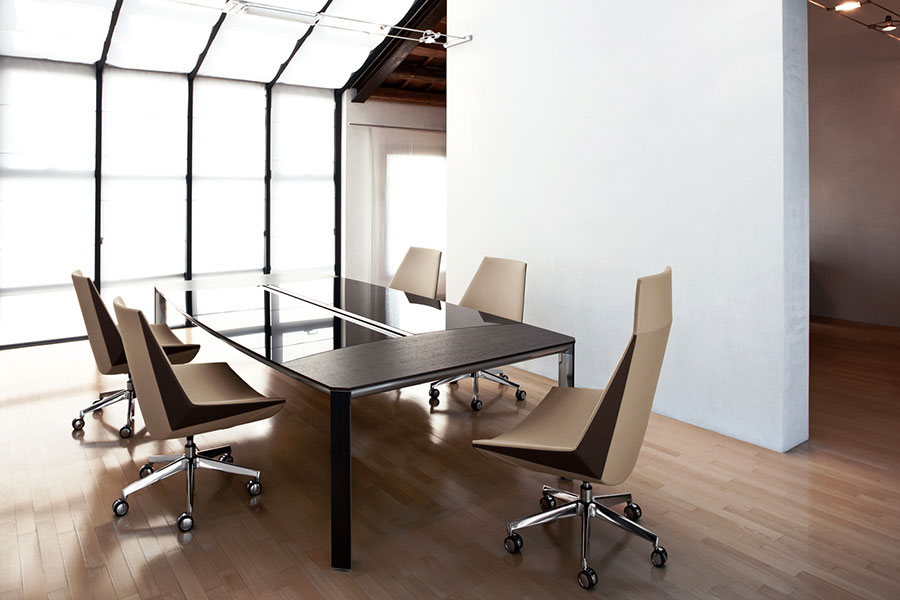
Today, a meeting room must be more than just a place to sit and listen to a presentation. It needs to be a dynamic, inspiring, and technologically seamless hub that fosters creativity, collaboration, and equity for both in-person and remote participants. If your corporate office or home workspace is due for an upgrade, here is an informative guide to the best modern remodeling ideas to transform your meeting room into a powerhouse of productivity.
Designing for Hybrid Equity: The Virtual-First Layout
With a significant portion of the global workforce operating remotely, a modern meeting room remodel must prioritize “hybrid equity.” This means designing the physical space so that remote participants on a screen have the same presence, visibility, and audibility as those sitting physically in the room.
To achieve this, move away from the traditional long rectangular table setup. When remote workers are displayed on a screen at the far end of a long table, the people sitting closest to the screen block the view of those sitting further back, leaving remote colleagues feeling like passive observers.
Instead, consider a tear-drop or V-shaped conference table. This layout angles all in-person participants toward the camera and display screen, ensuring that everyone’s face is clearly visible to remote attendees. Pair this table design with an eye-level, ultra-wide display monitor and a high-definition, auto-tracking camera system that automatically pans and zooms onto whoever is speaking.
Intelligent Acoustics and Lighting Upgrades
No matter how advanced your video equipment is, a meeting room will fail to inspire collaboration if the acoustics are echoey or the lighting causes eye strain. Upgrading the sensory environment is a core step in any professional remodel.
Acoustic Conditioning
Meeting rooms often feature hard surfaces like glass walls, drywall, and hardwood floors, which cause sound waves to bounce around, creating a distracting echo for remote listeners. Remodel the space by integrating acoustic panels along the walls. Modern acoustic solutions do not look like ugly studio foam; instead, they come in the form of stylish fabric-wrapped geometric tiles, architectural wooden slats with felt backing, or decorative ceiling baffles that double as contemporary art pieces.
Human-Centric Layered Lighting
Ditch the harsh, buzzing overhead fluorescent panels that cause fatigue and headaches. Opt instead for smart, dimmable LED lighting systems that offer color-temperature tuning. During morning strategy sessions, utilize a crisp, cool white light (around 4000K) to boost alertness and focus. For afternoon brainstorming or collaborative workshops, warm the light up (around 3000K) to create a relaxed, creative atmosphere. Ensure that indirect lighting faces the participants to eliminate harsh facial shadows on camera.
Creating Agile Brainstorming Zones
Not every meeting requires formal presentations or strict agendas. Many of the best corporate breakthroughs happen during casual, spontaneous brainstorming sessions. A forward-thinking remodel should allocate space for agile, hands-on collaboration.
Transform at least one entire wall of the meeting room into an interactive vertical workspace. You can achieve this by applying high-gloss whiteboard paint from floor to ceiling or installing sleek, magnetic back-painted glass panels. This allows team members to jump up, sketch diagrams, map out timelines, and pin up physical notes effortlessly.
Complement this vertical workspace with modular, lightweight furniture. Swap out heavy, immovable chairs for ergonomic task stools on wheels, and utilize nesting tables that can be easily rearranged from a traditional boardroom layout into smaller, independent workshop clusters in a matter of seconds.
Integrating Seamless, Wire-Free Connectivity
There is nothing quite as disruptive to the flow of a professional meeting as spending the first ten minutes hunting for the correct display cable, dealing with a faulty adapter, or tripping over exposed wires on the floor. A premium meeting room remodel hides the infrastructure while maximizing accessibility.
During the structural phase of the remodel, install core property management infrastructure like under-floor cable trenches or architectural power columns that feed electricity directly into the center of the conference table.
Furthermore, invest heavily in wireless content-sharing ecosystems. Implementing systems like Apple AirPlay, Google Cast, or dedicated enterprise software allows employees and guests to cast their laptop or smartphone screens to the main room monitor with a single click, completely eliminating the need for physical HDMI cords cluttering the tabletop.
Conclusion
Remodeling a meeting room is an active investment in your organization’s collaborative culture and operational efficiency. By moving away from the stiff, formal boardrooms of yesterday and embracing hybrid-friendly layouts, acoustic paneling, human-centric smart lighting, and flexible modular furniture, you create an environment where ideas can flow without friction. Ultimately, a well-remodeled meeting room bridges the gap between physical and digital workspaces, transforming an ordinary corporate room into a vibrant, connected sanctuary where innovation truly thrives.