There is an old saying that a house is made of bricks and beams, but a home is made of hopes and dreams. For millions of people around the world, that home is also filled with the gentle patter of paws, the soothing sound of purring, or the cheerful chirping of feathers. Bringing a pet into your living space completely alters the dynamics of a household, transforming an ordinary living area into a sanctuary of unconditional love, laughter, and companionship.
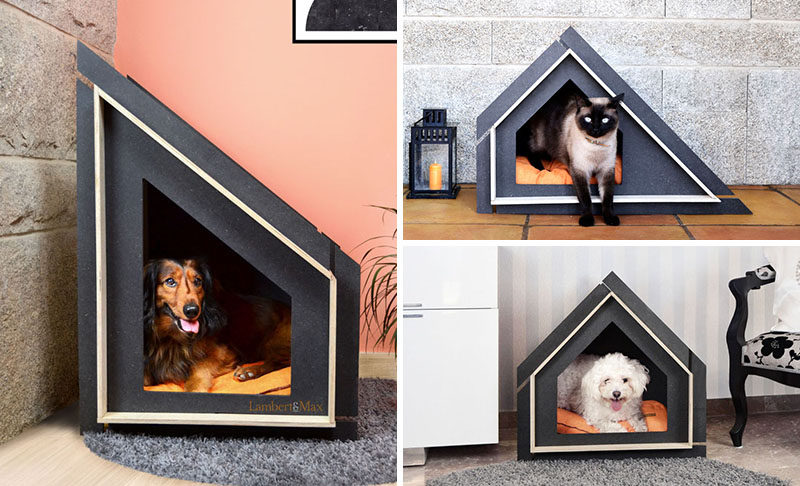
While the idea of having a home pet is incredibly exciting, it is also a profound lifestyle shift. Pets are not merely temporary accessories or home decorations; they are sentient family members that require consistent care, attention, and emotional investment. Whether you are a first-time pet owner preparing for a new arrival or looking to enhance the life of your current animal companion, here is a professional guide to successfully integrating and managing a pet at home.
The Holistic Benefits of Having a Pet at Home
The decision to share your home with an animal companion goes far beyond basic entertainment. Scientific studies consistently demonstrate that having a pet yields massive physical and psychological health benefits for humans of all age groups.
From a mental health perspective, interacting with a pet has been shown to drastically reduce levels of cortisol, the body’s primary stress hormone, while simultaneously boosting production of serotonin and dopamine. A simple ten-minute session petting a dog or watching fish swim in an aquarium can lower blood pressure and alleviate feelings of anxiety and loneliness.
For children, growing up with a home pet serves as a powerful developmental tool. It teaches them vital life lessons about empathy, gentle handling, and accountability. Caring for another living creature forces a young mind to look beyond their own immediate desires, fostering an early understanding of nurturing and respect for nature.
Designing a Pet-Friendly Living Environment
To ensure a harmonious coexistence, your physical home environment must be adapted to accommodate the safety and comfort of your pet. A successful pet-friendly home balances human aesthetic preferences with animal instincts.
Selecting Pet-Safe Materials
If you are living with cats or dogs, your choice of interior materials matters immensely. Standard carpets tend to trap pet dander, hair, and accidental odors, making them difficult to maintain. Opt instead for hard surfaces like luxury vinyl plank, tile, or sealed hardwood, which are incredibly easy to clean and sanitize. When it comes to furniture, avoid delicate fabrics like silk or velvet that easily snag on claws. Instead, look for tightly woven performance fabrics or distressed leathers that resist punctures and can be wiped down effortlessly.
Eliminating Household Hazards
Just like baby-proofing a house, pet-proofing requires you to look at your home from a ground-level perspective. Many common household items are secretly toxic to animals. For instance, popular indoor plants like lilies, philodendrons, and aloe vera can cause severe poisoning if chewed on by curious cats or dogs. Ensure all indoor greenery is strictly pet-safe, keep electrical cords neatly tucked away or covered in protective sleeves, and secure your trash cans with locking lids to prevent your pets from ingesting dangerous food scraps or chemical packaging.
Establishing Consistent Routines for a Happy Companion
Animals thrive on predictability. The secret to minimizing behavioral issues, such as destructive chewing, excessive barking, or litter box avoidance, lies in establishing a structured daily routine.
A balanced pet routine must include designated times for nutritional feeding, physical exercise, and mental stimulation. Dogs require daily walks not just for physical elimination, but to experience sensory stimulation through tracking scents, which keeps their brains sharp.
Cats, though perceived as highly independent, also require structured play sessions that mimic their natural hunting instincts. Utilizing laser pointers, feather wands, or puzzle feeders keeps indoor felines physically active and prevents the onset of boredom-induced depression or aggression.
Conclusion
Welcoming a pet into your home is a transformative journey that fills your days with unparalleled warmth, amusement, and emotional fulfillment. While the daily responsibilities of feeding, grooming, cleaning, and veterinary care require a permanent commitment of time and financial resources, the rewards far outweigh the effort. By consciously designing a safe environment, respecting your pet’s instinctual needs, and establishing a stable routine, you can build a peaceful, thriving household. Ultimately, a home pet does not just occupy a physical space in your room; they secure a permanent, irreplaceable spot in your heart.