Embarking on the creation of a monumental piece of architectural art is one of the most challenging yet profoundly rewarding journeys an architect or designer can take. When architecture transcends its basic utilitarian function—providing shelter—it enters the realm of significant artwork. Think of the breathtaking curves of the Guggenheim Museum Bilbao or the ethereal light play inside the Sagrada Família. These structures do not merely stand; they speak, evoke emotion, and redefine the landscapes they occupy.
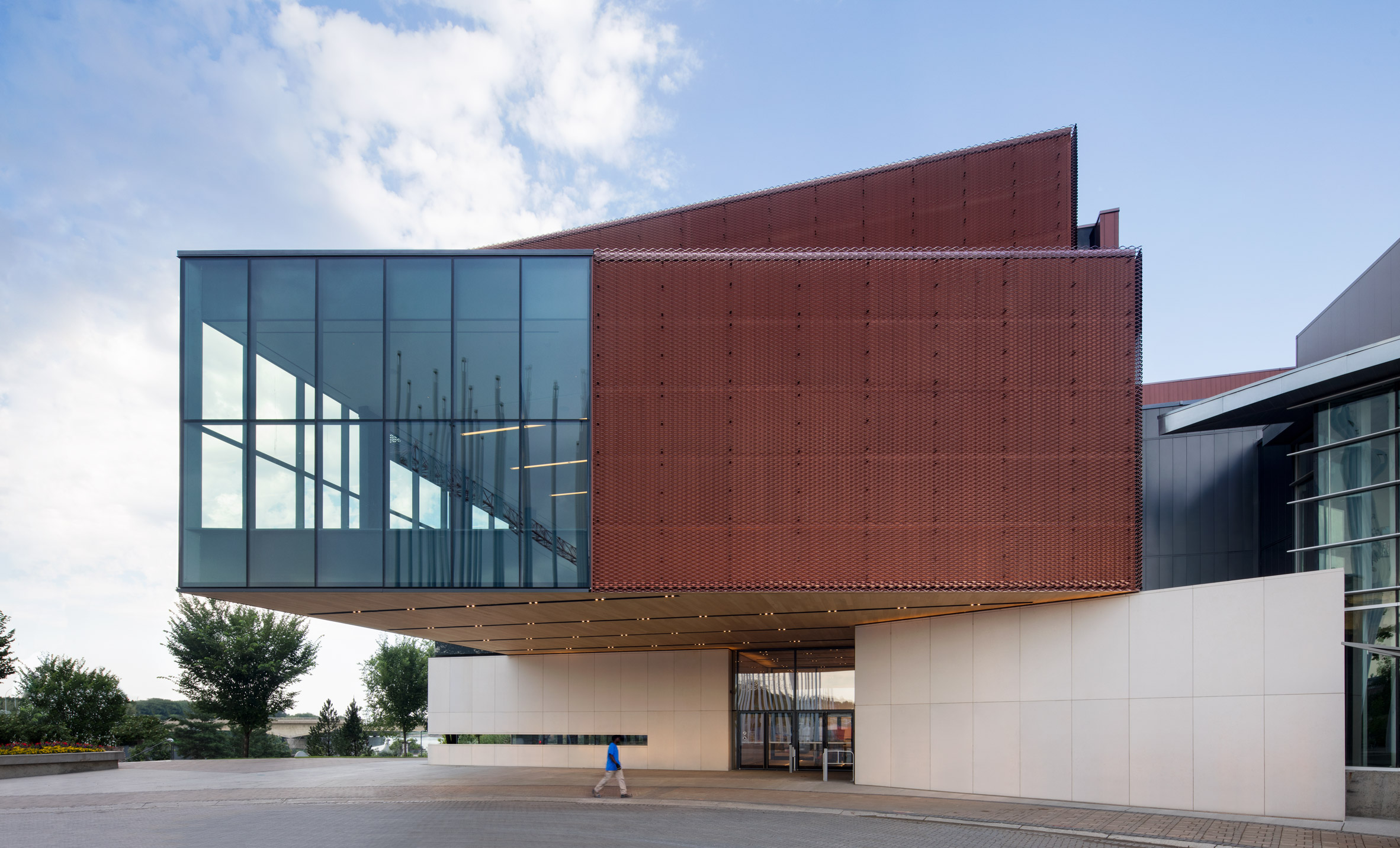
However, moving from a vague, ambitious idea to a concrete, physically achievable architectural masterpiece requires a meticulous approach. The beginning phases are critical, as a weak conceptual foundation can cause even the most expensive projects to lose their artistic soul. Here is a professional guide on how to begin designing a significant piece of architectural artwork.
Defining the Core Concept and Artistic Narrative
Every great piece of architectural artwork begins with a powerful narrative. Before you draw a single line on a sketchpad or open any 3D modeling software, you must define the “why” behind the structure. What story is this building trying to tell? What emotions should a person feel the moment they step into its shadow?
To establish this core concept, look deeply into the context of the project. Consider the historical background of the location, the cultural identity of the local community, and the natural topography of the land. A significant architectural artwork must feel rooted in its environment, acting as an extension of its surroundings rather than an awkward intrusion.
Write down a conceptual statement—a single, guiding philosophy that summarizes the artistic mission of the project. Whenever you face design dilemmas later in the process, you will refer back to this statement to ensure the integrity of the artwork remains intact.
The Symbiosis of Form, Function, and Advanced Materials
In traditional fine art, a painter is limited only by the edges of the canvas. In architectural artwork, however, creativity must operate within the laws of physics, structural integrity, and human habitability. The true genius of an architect lies in making a highly functional space look and feel like an unrestrained sculpture.
During the initial design phase, explore the relationship between form and materials. Instead of designing a standard concrete frame and trying to decorate it later, consider how the raw materials themselves can drive the artistic expression.
Modern architectural masterpieces often utilize innovative materials to achieve poetic effects. Think about how ultra-high-performance concrete can create incredibly thin, gravity-defying curves, or how smart glass can interact with natural sunlight to shift the color and mood of an interior space throughout the day. By treating structural components as artistic mediums, you ensure that the final building is a cohesive piece of art from the inside out.
Translating Vision to Reality: Sketching and Iterative Modeling
Once your narrative is clear and you have a general sense of the materials, it is time to transition into visual exploration. The beginning of a significant architectural design is rarely a straight line; it is a highly iterative process of trial and error.
The Power of Loose Sketching
Begin with freehand sketching. Scribing your thoughts onto paper allows for a fluid, subconscious connection to your ideas that computers can sometimes restrict. Do not worry about straight lines or perfect dimensions at this stage. Focus entirely on capturing volume, movement, the flow of space, and the dramatic interplay of light and shadow.
Moving into Physical and Digital Models
After capturing the essence of the building on paper, quickly move into creating rough physical study models using simple materials like cardboard, clay, or foam. Physical models give you an immediate, tangible understanding of scale and proportion that a flat screen cannot replicate. Once the physical form feels balanced, transition into digital parametric modeling tools like Rhino or Grasshopper. These advanced software programs allow you to test complex geometric variations and optimize the structural feasibility of your artistic forms.
Managing Collaboration Without Losing the Artistic Soul
A painter works alone in a studio, but a significant piece of architecture requires an army of structural engineers, urban planners, contractors, and local government officials to come to life. Managing this collaborative network without diluting your original artistic vision is one of the toughest hurdles a designer faces.
To protect the integrity of your architectural artwork, involve key engineering specialists early in the concept phase. When a structural engineer understands your artistic narrative from day one, they will work with you to find creative, hidden structural solutions to support your vision, rather than simply telling you that your design is impossible to build. Open, respectful communication ensures that the technical execution enhances, rather than compromises, the artistic intent.
Conclusion
Beginning a significant piece of architectural artwork is an exercise in balancing boundless imagination with rigorous technical discipline. It requires you to dig deep into the cultural soul of a site, establish a powerful narrative, experiment relentlessly with form and material, and guide a massive team toward a singular creative goal. By anchoring your project with a strong conceptual blueprint and embracing the technical challenges as opportunities for innovation, you can transform a simple building into an enduring monument of human creativity that inspires generations to come.