Design is never static. It is a living, breathing response to the socio-economic, technological, and cultural shifts of the era. As we move further into 2023, the global design community is witnessing a fascinating pendulum swing. We are moving away from the cold, sterile minimalism that dominated the early twenties and toward a more soulful, tactile, and highly personalized approach to aesthetics. Whether it is in interior design, product interfaces, or graphic communication, the current design landscape is buzzing with energy.
This article explores the specific design information and emerging trends that are currently capturing the imagination of top professionals and shaping the spaces we inhabit.
The Rise of Organic Maximalism
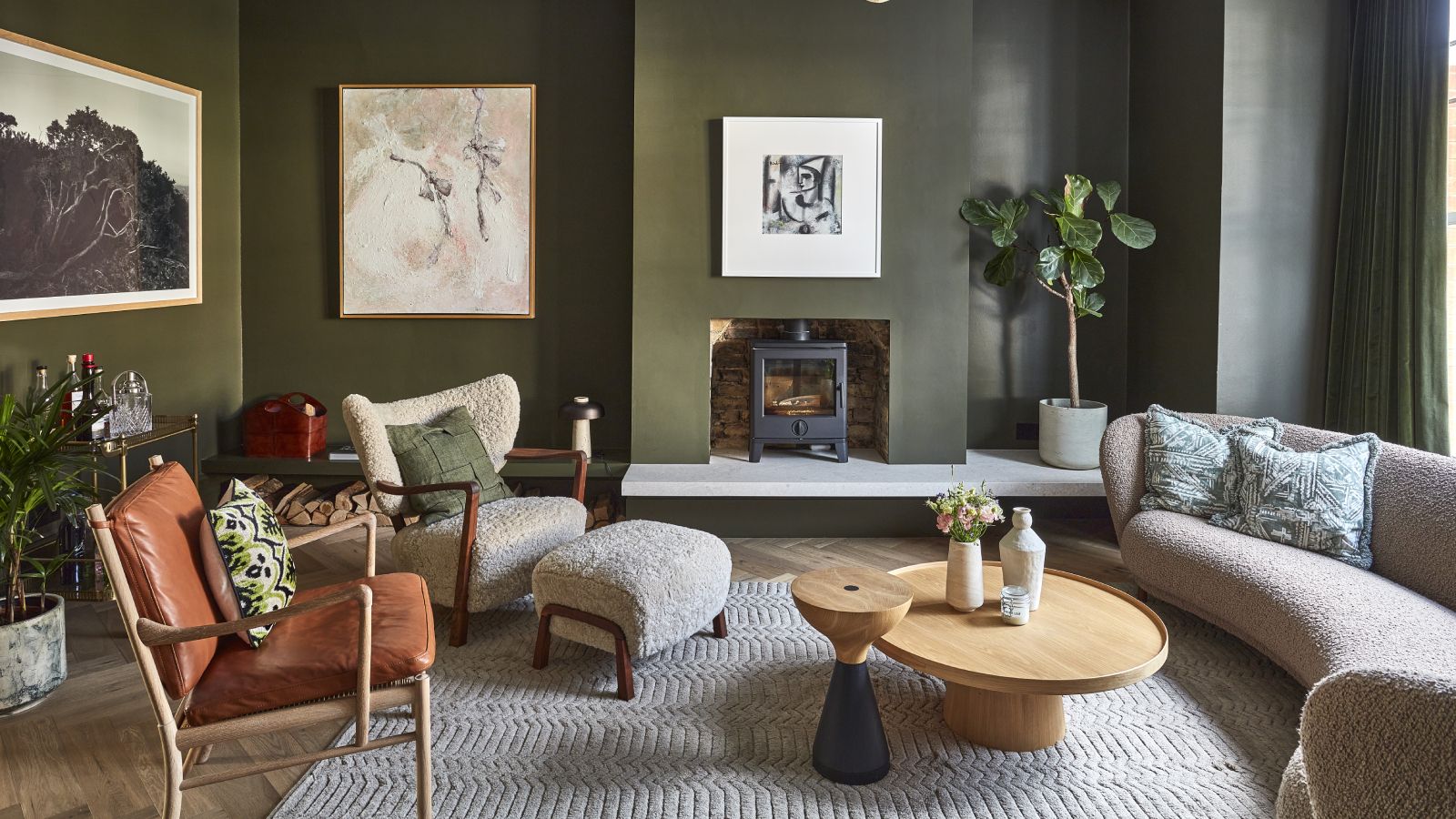
For years, the design world was obsessed with clean lines, neutral color palettes, and sparse furniture. While functional, that trend often left spaces feeling soulless. Now, we are seeing the rise of Organic Maximalism. This style isn’t about clutter; it is about “curated warmth.”
In 2023, designers are prioritizing fluid shapes over sharp, aggressive angles. Think curved sofas, arched doorways, and asymmetrical tables that mimic the natural forms found in nature. This trend extends to materials as well. We are seeing a massive resurgence in raw, unpolished surfaces—travertine, hammered metals, and raw wood grains. The goal is to create environments that feel like they have evolved over time rather than being purchased from a showroom catalog. It is a celebration of imperfection and humanity in a world that is increasingly mediated by screens.
The Tactile Interface and Sensory UX
In the digital realm, User Experience (UX) design is undergoing a profound transformation. As AI continues to handle basic information retrieval, the role of human-centered design is to provide “sensory delight.” We are currently seeing a move toward what many call “Tactile Digitalism.”
Digital interfaces are becoming less “flat.” Designers are using complex gradients, heavy shadows, and realistic textures to make screen elements feel like physical objects that you want to touch. This is a direct response to the integration of Extended Reality (XR) in our daily lives. As we spend more time in virtual and augmented environments, the digital objects we interact with need to feel grounded. Furthermore, there is a push for “Haptic Minimalism,” where digital feedback is subtle and rhythmic, designed to reduce cognitive load rather than just grabbing attention with bright colors and loud notifications.
Conscious Color Narratives
Color in 2023 is no longer just about visual appeal; it is about psychological resonance. The current trend—often referred to as “Dopamine Decor” or “Mood-Driven Palette”—focuses on how specific colors influence our daily well-being.
Designers are moving away from the “greige” (gray-beige) obsession and embracing deep, earthy tones contrasted with high-voltage accent colors. We are seeing a lot of “Terracotta-Indigo” pairings and “Moss-Copper” combinations. The shift is toward hues that feel grounded yet sophisticated. This trend isn’t limited to interior paint choices; it is appearing in branding and product packaging as well. Consumers are gravitating toward brands that use color to tell a story of longevity, sustainability, and emotional intelligence.
Sustainability as a Core Design Metric
In the past, sustainability was often treated as an “add-on” or a marketing feature. In 2026, it is a core design metric. The most exciting design information today involves the radical re-purposing of materials. We are seeing furniture designers who use mycelium (fungus-based) materials for modular seating and graphic designers who focus on “low-energy” web design—creating websites that require less server power and loading time, thereby reducing their carbon footprint.
The most innovative projects currently are those that focus on “cradle-to-cradle” lifecycles. Designers are asking: what happens to this object in twenty years? By planning for the end-of-life of a product at the design phase, professionals are creating pieces that can be disassembled, recycled, or composted. This shift is not just ethical; it is producing a new, raw aesthetic that communicates honesty and transparency.
The Return of Craft and Heritage
There is a powerful counter-movement against the mass-production culture of the last decade. Designers are currently obsessed with “Modern Heritage.” This involves blending high-tech manufacturing processes with traditional, artisanal techniques.
We see this in architecture where 3D-printed modular structures are finished with hand-applied clay plaster. We see it in fashion and product design where AI-generated patterns are executed on traditional hand-loomed textiles. This synthesis of the digital and the manual is where the most creative breakthroughs are happening. It proves that technology does not have to replace the human touch; it can amplify it.
Conclusion: Designing for the Human Experience
The design trends we are seeing in 2023 share one common thread: a return to humanity. Whether it is through the soft, organic shapes of our furniture, the tactile feel of our digital interfaces, or the sustainable materials in our architecture, the focus is squarely on improving the quality of the human experience.
We are moving away from the era of “perfection” and toward an era of “presence.” As designers and consumers, the most exciting information we can absorb is that we have the power to create environments that do more than just look good—they must feel right, function sustainably, and stand the test of time. Design is no longer just about the final product; it is about the story, the material, and the impact it leaves behind.